
Are you dreaming of an epic journey through the vast and diverse landscapes of Canada? Whether you envision a thrilling road trip across scenic routes, an immersive cultural experience in vibrant cities, or an adventurous exploration of pristine national parks, planning your Canadian vacation from A to Z can seem daunting. But don’t worry, you’ve come to the right place!
This comprehensive guide is meticulously crafted to simplify your trip planning process, providing you with all the essential advice and insider tips to organize the tour of your dreams in Canada. From understanding what to see and do, to preparing your itinerary, booking flights, arranging car rentals, and securing vital travel insurance, we’ll cover every step to ensure your Canadian adventure is seamless and unforgettable. Get ready to discover why organizing your trip to Canada will be super easy with our expert guidance!
Quick answer: Plan Canada by choosing one workable corridor before collecting attractions. Start with the season, the longest transfer and the overnight bases; then decide whether a ten-day route or a slower two-week version leaves enough room for weather and road conditions.
Official Parks Canada travel guidance checked 2026-09-21. Services, closures, weather and road conditions can change; recheck the official guidance before departure.
Turn a broad Canada trip into one route
- Choose a corridor: keep Vancouver, the mountain parks and Calgary in one connected story rather than adding a distant region because it looks close on a map.
- Choose a pace: a shorter route needs fewer hotel moves; a two-week route can protect a weather or recovery day without losing the main landscape.
- Check the long road: read current official guidance before treating the Icefields Parkway or another remote transfer as a fixed timetable.
Compare the 10-day Canada itinerary for a tighter corridor, then use the two-week Canada itinerary when flexibility matters more than adding another region.
Section 1: Discovering Canada: What to See & Do
Canada, the world’s second-largest country, offers an unparalleled diversity of experiences, from bustling cosmopolitan cities to breathtaking natural wonders. The first essential step in planning your trip is to determine what truly captivates your interest. Here’s a summary of the must-see places and best activities to help you decide:
Explore Vibrant Cities and Historic Hubs
Canada’s major cities are melting pots of culture, history, and modernity. Each offers a unique flavor:
- Montreal: A captivating blend of European charm and North American dynamism, known for its historic Old Montreal, vibrant arts scene, and delicious poutine.
- Toronto: Canada’s largest city, a global hub for finance, arts, and culture, featuring iconic landmarks like the CN Tower, diverse neighborhoods, and a thriving culinary scene.
- Vancouver: A stunning West Coast city nestled between mountains and ocean, offering a perfect mix of urban sophistication and outdoor adventure. Explore Stanley Park, Granville Island, and enjoy breathtaking views.
- Calgary: The heart of Canada’s energy industry and gateway to the Rocky Mountains, famous for the Calgary Stampede and its vibrant downtown.
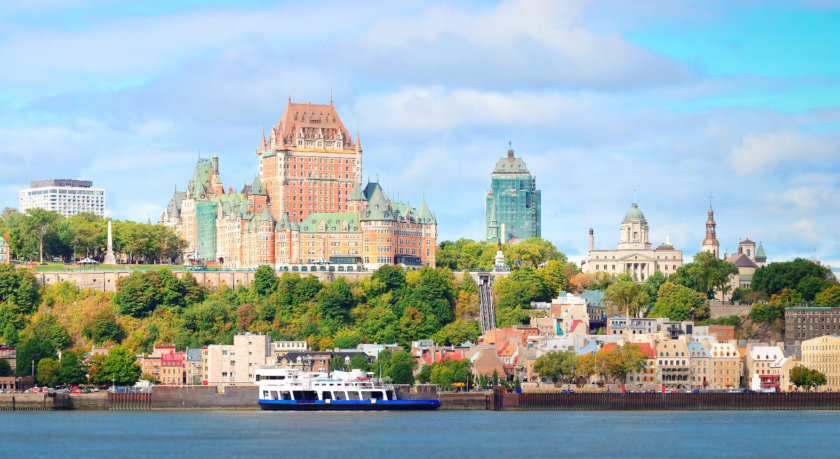
- Quebec City: Step back in time in North America’s only walled city, a UNESCO World Heritage site with charming cobblestone streets, historic architecture, and a distinctly European ambiance.
- Ottawa: Canada’s capital, home to impressive Parliament Hill, national museums, and a beautiful canal that transforms into the world’s largest skating rink in winter.

Immerse Yourself in Sublime National Parks
Canada is renowned for its pristine wilderness and majestic national parks, offering unparalleled opportunities for outdoor enthusiasts:
- Banff National Park: Canada’s first national park and a UNESCO World Heritage site, famous for its turquoise lakes (like Lake Louise and Moraine Lake), towering peaks, and abundant wildlife. A must-visit for any trip to the Canadian Rockies.
- Jasper National Park: The largest national park in the Canadian Rockies, offering stunning glaciers, alpine lakes, and a chance to spot elk, bears, and other wildlife. Connected to Banff by the scenic Icefields Parkway.
Witness Splendid Natural Landscapes
Beyond the national parks, Canada boasts natural wonders that will leave you in awe:
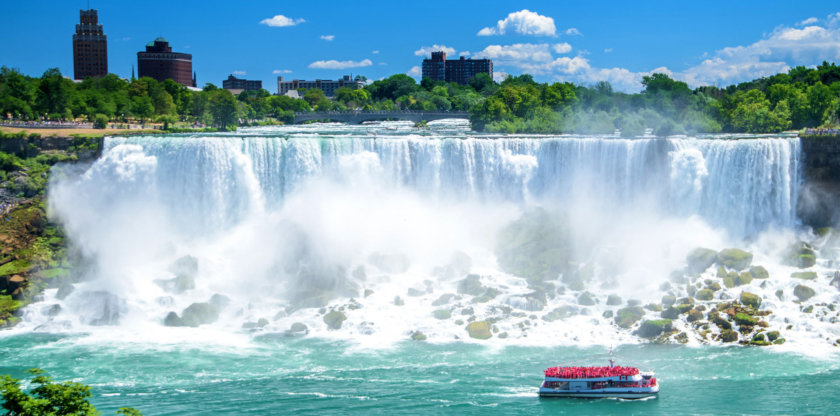
- Niagara Falls: One of the world’s most famous waterfalls, a powerful spectacle located on the border with the USA. Experience its grandeur from various viewpoints or take a boat tour right into the mist.
- The Northern Lights (Aurora Borealis): In the northern regions of Canada, particularly during winter months, you can witness the mesmerizing dance of the Northern Lights, an unforgettable celestial display.
Experience Extraordinary Adventures
For thrill-seekers and those looking for unique experiences, Canada delivers:
- Whale Watching: Head to the coasts of Quebec (Tadoussac is famous for belugas and other whale species) or British Columbia for incredible whale watching tours, especially from July to October.
- Helicopter Flights & Seaplane Tours: Gain a new perspective with a thrilling helicopter ride over Niagara Falls or a scenic seaplane tour over Vancouver’s stunning coastline.
- Scenic Road Trips: Drive the iconic Icefields Parkway between Banff and Jasper, or explore the picturesque Route 132 in Gaspésie, offering breathtaking coastal and mountain views.
Discover Off-the-Beaten-Path Gems
For those seeking wilder, less-traveled paths, consider:
- Nova Scotia: A maritime province known for its rugged coastline, charming fishing villages, and rich Celtic heritage.
- The Yukon: Experience the true Canadian wilderness with vast, untamed landscapes, perfect for aurora viewing, dog sledding, and exploring the legacy of the Gold Rush.
Savor Canadian Cuisine
No trip is complete without tasting the local flavors:
- Poutine: A quintessential Canadian dish of French fries, cheese curds, and gravy – a delicious comfort food.
- BeaverTails: A unique, flat, oval-shaped fried dough pastry, often topped with sweet condiments like cinnamon sugar or Nutella.
Seasonal Activities to Enhance Your Trip
Canada offers a plethora of activities year-round, depending on the season you visit:
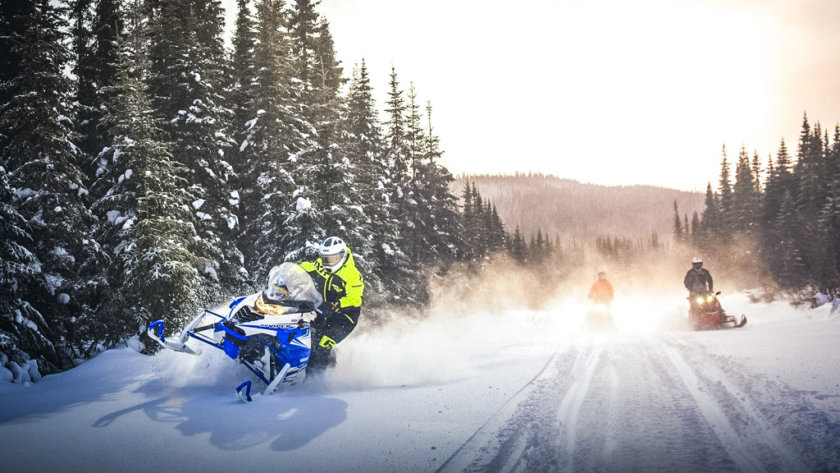
- Winter (December – March): Embrace the snow with activities like dog sledding, snowmobiling (Skidoo), skiing, snowshoeing, sledding, snow rafting, and ice skating. National parks transform into winter wonderlands.
- Spring (April – May): A great time for hiking in national parks as the weather warms and crowds are smaller. Witness the awakening of nature.
- Summer (June – August): The peak tourist season, perfect for canoeing down rivers, cycling, and extensive hiking in national parks. Wildlife observation tours, like seeking out black bears, are also popular.
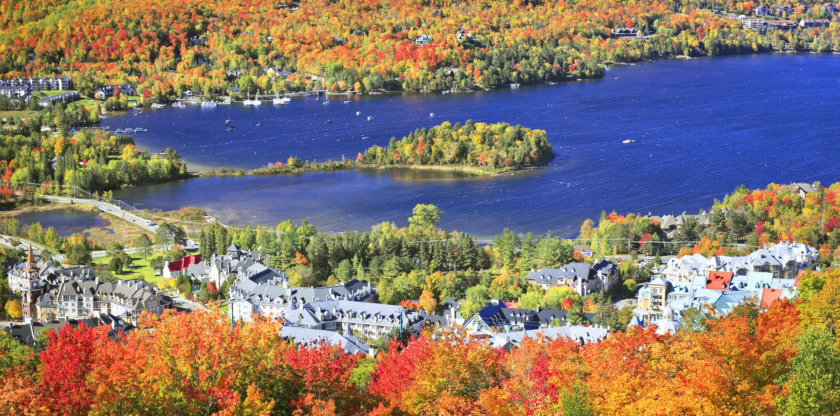
- Fall (September – November): Autumn foliage varies by region and year. Check local foliage updates before choosing dates for a scenic drive.
For a more detailed exploration of these incredible destinations and activities, refer to our comprehensive guide: What to do and see in Canada?
If your focus is primarily on the French-speaking province, delve into our dedicated article: What to do and see in Quebec?
Section 2: Crafting Your Canadian Itinerary: Maximizing Your Adventure
Once you have a clear idea of the incredible sights and activities Canada offers, the next crucial step in your trip planning is to meticulously prepare your itinerary. This phase is particularly vital for Canada due to its immense size and the significant distances between attractions. Understanding travel times and geographical considerations beforehand will ensure a smooth and enjoyable journey.

Understanding Canada’s Vastness and Travel Times
Canada is a truly colossal country, and even focusing on a single province can involve considerable travel. It’s not uncommon for journeys between destinations to take a full day on the road. For instance, flying from Calgary in the West to Montreal in the East alone takes approximately 4 hours. This vastness means that you won’t be able to see everything in one trip, especially if your time is limited.
Choosing Your Focus: East vs. West
To optimize your Canadian vacation, it’s often best to focus your exploration on either the Eastern or Western regions. Even with a week-long Canada itinerary, you can comfortably visit well-known places like Montreal, Quebec City, Toronto, and Niagara Falls in the East, or explore the stunning Rockies in the West. The key is to concentrate your efforts on a specific area to minimize travel time and maximize your experience.
For longer trips, such as a 10-day Canada itinerary, 15-day Canada itinerary, or even a 3-week Canada road trip, you’ll have the opportunity to delve deeper into one region or combine visits to both the East and West, provided you plan carefully.
Recommended Itineraries for Every Duration
To assist you in optimizing your stay, we have prepared a series of recommended Canada itineraries ranging from one week to one month. Each itinerary is thoughtfully divided into stages, detailing daily visits and estimated travel times. They are packed with practical advice and valuable tips to help you make the most of your Canadian adventure. You’ll also find a curated selection of the best hotels in Canada to suit your budget, with direct links for easy booking.
Explore our detailed itineraries to find the perfect fit for your travel duration:
- Itinerary: A Week in Canada: All the steps to visit Canada in 1 week!
- Itinerary: 10 Days in Canada: Our comprehensive advice for organizing your 10-day trip to Canada!
- Itinerary: 2 Weeks in Canada: Discover how to visit Western Canada in 15 days.
- Itinerary: 3 Weeks in Canada: A detailed guide for exploring both Western and Eastern Canada in 21 days.
- Itinerary: 1 Month in Canada: Your ultimate guide to visiting Eastern Canada in one month!
Focusing on Quebec: Dedicated Itineraries
If your Canadian travel plans are centered around the beautiful province of Quebec, we have dedicated itineraries just for you:
- Itinerary: 2 Days in Quebec: All the steps to organize your 2-day stay in Quebec!
- Itinerary: A Week in Quebec: How to visit Quebec in 1 week, with all our advice!
- Itinerary: 2 Weeks in Quebec: Visit Quebec in 2 weeks with all the stages and our advice!
- Itinerary: 3 Weeks in Quebec: All the steps to make a 3-week road trip in Quebec!
The Importance of Booking in Advance
For a successful trip to Canada, it is paramount to book your accommodation as far in advance as possible, especially if you plan to visit popular areas or during peak seasons. This is particularly true for hotels near national parks like Banff and Jasper, or in popular regions like Gaspésie and Quebec, where availability can be limited. Similarly, for very popular activities and tourist sites, securing your bookings in advance using the provided links in our articles is highly recommended to avoid disappointment.
Section 3: Essential Pre-Trip Preparations: Your Checklist for Canada
With your itinerary taking shape, it’s time to focus on the crucial pre-trip preparations that will ensure a smooth and stress-free journey to Canada. This section covers everything from booking your flights to understanding entry requirements, arranging transportation, and securing essential travel insurance.
Flights: Finding the Best Deals to Canada
Once you have a clear idea of your route and confirmed your travel dates, the next step is to book your plane tickets to Canada. To find the best prices, consider:
- Flexibility: Being flexible with your travel dates and times can often lead to significant savings.
- Advance Booking: Generally, booking flights well in advance (typically 2-3 months for international travel) yields better fares.
- Price Comparison Websites: Utilize reputable flight comparison websites to compare prices across various airlines and find the most competitive deals.
- Direct vs. Connecting Flights: While direct flights are convenient, connecting flights can sometimes be cheaper.

Visa & Entry Requirements: Electronic Travel Authorization (eTA)
Entry requirements depend on your citizenship or nationality, travel document and arrival method. Citizens of eTA-required countries generally need an eTA to board a flight to Canada; citizens of select visa-required countries may also qualify for an eTA for air travel. Other travelers may need a visitor visa or may be exempt. Check the current Government of Canada eTA eligibility guidance before departure.
Key points about eTA:
- Who needs it? Requirements vary by traveler and route. An eTA is not required for every visa-exempt traveler, and some travelers need a visitor visa. Use the official eligibility guide linked above.
- Application Process: The application is done online and typically takes only a few minutes to complete. You will need a valid passport, a credit card, and an email address.
- Approval: Most eTA applications are approved within minutes, but some may take several days to process. It’s advisable to apply as soon as you start planning your trip.
- Validity: An approved eTA is valid for up to five years or until your passport expires, whichever comes first. It allows for multiple entries into Canada.
Apply through the official Government of Canada eTA application. IRCC warns that third-party eTA services may charge fees and do not operate on behalf of the Government of Canada; read its notice about other eTA websites. AveCanada is a separate third-party site, not the official application channel; check its current terms and fees before using it.
Renting a Car for Your Canadian Road Trip
If your route extends beyond major cities, a rental car may be useful, but it is not essential for every Canada trip. The best option depends on your corridor, distances, dates and stops. Compare driving with domestic flights, trains, intercity buses and local transit where available in Destination Canada’s transport guide before choosing.
- Flexible stops: A car can make it easier to combine places where public transport is limited; check the actual route and road conditions.
- Remote areas: Some destinations have limited connections. Compare a rental with local transit, a shuttle, guided tour or domestic flight for your selected stops.
- Long drives: A comfortable vehicle can help on long driving days; plan realistic distances, breaks and parking.
Tips for Car Rental in Canada:
- Airport Agencies: You’ll find all major car rental agencies conveniently located at the airports of your arrival city.
- Compare Prices: Use online comparison tools to find the cheapest rental company, read reviews from previous customers, and understand the different options included in your rental package.
- Vehicle Choice: Choose a comfortable vehicle for your route. For winter trips, confirm directly with the rental provider which equipment is included and required; snow and ice are driving hazards, and winter tires are mandatory in some provinces.
- Driving License Requirements: Rules for using a foreign license depend on the province or territory. A valid home-country license may be usable for a short time; an International Driving Permit can translate it into English and French. Check the Government of Canada driving guidance and the rental company’s document requirements before booking.
Travel Insurance: Your Essential Safety Net
Taking out travel insurance is a non-negotiable step when organizing your stay in Canada. While often overlooked, it is a critical component of responsible travel, especially given the high cost of healthcare in Canada.
Why travel insurance is crucial for Canada:
- Medical Emergencies: Canada does not pay for hospital or medical services for visitors. Arrange suitable health insurance before travel and review its limits, exclusions and pre-existing-condition terms. Read the official IRCC guidance for visitors.
- Trip Cancellations and Interruptions: Depending on the policy, cover may apply to eligible cancellation, interruption or delay costs. Check covered reasons, limits and exclusions before purchasing.
- Lost or Stolen Belongings: Baggage cover may apply to eligible losses, subject to policy limits and exclusions. Check the policy wording and claim requirements.
Compare emergency medical limits, deductibles, exclusions, assistance services and claim steps before choosing a policy; arrange suitable cover before you travel.
Section 4: When to Visit Canada: A Seasonal Guide
One of the most frequently asked questions when planning a trip to Canada is: “When is the best time to go?” There is no single best season for every route. Weather, opening dates, transport and activities vary by region and month, so choose dates around the experiences you want and check local conditions before booking.
Spring (April – May): Awakening Nature and Fewer Crowds
Spring in Canada is a beautiful time as the country thaws from winter, and nature awakens. It’s an excellent period for:
- Hiking: Trail opening dates, weather and conditions vary by park and region. Check current park alerts and local forecasts for your travel dates, especially early in the season.
- City Exploration: Major Canadian cities like Vancouver, Montreal, Toronto, and Quebec City are vibrant in spring, with blooming flowers and outdoor patios starting to open.
- Wildlife Viewing: Many animals become more active as the weather warms, offering opportunities for wildlife spotting.
Summer (June – August): Peak Season, Warm Weather, and Festivals
Summer is Canada’s peak tourist season, characterized by long daylight hours, warm temperatures, and a plethora of outdoor activities and festivals. This is the best time for:
- National Parks: Access, services, trails and conditions vary by park and date. Check Parks Canada’s safety guidance and current bulletins before you go.
- Road Trips: Road closures, restrictions and weather can affect routes in any season. Check current provincial road reports and park bulletins before committing to a drive.
- Water Activities: Enjoy swimming, kayaking, and paddleboarding in Canada’s numerous lakes and rivers.
- City Festivals: Cities come alive with outdoor concerts, food festivals, and cultural events.
- Whale Watching: The prime season for whale watching in locations like Tadoussac, Quebec, and along the coasts of British Columbia, typically extending from July to October.
Important Summer Tip: Canadian companies often have a construction holiday period at the end of July and beginning of August. This means many locals also travel, leading to higher demand for accommodations and activities. If you plan to visit during this time, book your accommodation and popular activities even further in advance.
Autumn (September – November): Fall Colours and Regional Timing
Autumn foliage timing and intensity vary by region and year. Check local foliage updates before choosing dates or making a long detour.
- Fall Foliage Tours: Scenic drives through Quebec or Ontario may suit a fall-colour route when local foliage is near peak; check regional updates because timing varies by place and year.
- Hiking: Crisp, clear weather and fewer insects make for excellent hiking conditions.
- Harvest Festivals: Enjoy local produce and culinary events.
- Whale Watching: Still a good time for whale watching in early autumn.
Winter (December – March): Winter Wonderland and Snow Sports
Canada truly embraces winter, offering a magical experience for those who love snow and cold-weather activities. This season is ideal for:
- Skiing and Snowboarding: World-class ski resorts across the country, especially in the Rockies and Quebec.
- Unique Winter Activities: Experience quintessential Canadian activities like dog sledding, snowmobiling (Skidoo), snowshoeing, sledding, snow rafting, and ice skating on frozen lakes or urban rinks.
- Northern Lights: The best time to witness the spectacular Aurora Borealis in the northern parts of the country.
- City Breaks: Major cities offer festive atmospheres, charming Christmas markets, and indoor attractions.
Important Winter Tip: While Canadians are accustomed to winter conditions and roads are generally well-maintained, always check the weather forecast before setting off on long drives to avoid unexpected blizzards or hazardous conditions.
In summary, your ideal time to visit Canada depends on your preferred activities. Each season offers a unique and memorable experience, ensuring that whenever you choose to go, Canada will welcome you with open arms and incredible adventures.
Section 5: Budgeting for Your Canadian Adventure: A Financial Overview
Understanding the potential costs is a crucial part of planning your trip to Canada. While Canada can be an expensive destination, especially in popular tourist areas, careful budgeting can help you manage your expenses effectively. Here’s an overview of typical costs and tips for saving money.
Build a Trip Budget from Current Quotes
Costs vary by region, travel dates, booking lead time, group size and travel style. Build a per-person estimate from current quotes rather than relying on a fixed nationwide daily range:
- Accommodation: Price the actual bases and dates, including taxes, fees and cancellation terms; divide shared room costs among the travelers sharing.
- Transport: Compare flights, rail, intercity buses, local transit and rental-car options for the route. If driving, include insurance, fuel, parking, tolls and any one-way drop fee.
- Daily spending: Estimate meals, groceries, local transport, reservations, park entry and activity fees using current prices for your dates.
- Other costs: Add travel medical insurance, phone or data, baggage, currency conversion and a separate contingency for delays or weather changes.
Record the currency, dates and assumptions beside each quote, then recheck prices before booking.
Tips for Saving Money
- Travel Off-Peak: Visiting during the shoulder seasons (spring and fall) can offer lower prices on flights and accommodation.
- Book in Advance: Especially for popular destinations and during peak times, early booking can secure better rates.
- Cook Your Own Meals: Opt for accommodations with kitchenettes and buy groceries from local supermarkets to save on dining out.
- Public Transportation: Utilize Canada’s excellent public transport in cities to save on taxi fares.
- Free Activities: Many of Canada’s best attractions, like hiking trails, city parks, and scenic viewpoints, are free to enjoy.
- Travel Passes: Consider passes like the Parks Canada Discovery Pass if you plan to visit multiple national parks.
- Student/Senior Discounts: Always inquire about potential discounts if you qualify.
Section 6: Packing for Canada: What to Bring
Canada’s diverse climates and varied activities mean that packing requires careful consideration. What you bring will largely depend on the season you visit and the regions you plan to explore. Here’s a general guide to help you pack smart for your Canadian adventure.
Seasonal Packing Lists
- Summer (June – August):
- Clothing: Lightweight layers, t-shirts, shorts, long pants for evenings, light jacket or sweater for cooler nights. Swimsuit for lakes/beaches.
- Footwear: Comfortable walking shoes, hiking boots (if planning trails), sandals.
- Essentials: Sunscreen, sunglasses, hat, insect repellent (especially for wilderness areas), reusable water bottle.
- Autumn (September – November):
- Clothing: Layers are key! Sweaters, fleeces, light to medium-weight jackets, long-sleeved shirts, jeans/trousers. A waterproof and windproof outer layer is highly recommended.
- Footwear: Waterproof walking shoes or light hiking boots.
- Essentials: Scarf, light gloves, camera for fall foliage, reusable water bottle.
- Winter (December – March):
- Clothing: Warm, insulated layers are crucial. Thermal base layers, fleece or wool mid-layers, heavy winter coat (waterproof and windproof), snow pants. Sweaters, hats, scarves, and warm gloves/mittens.
- Footwear: Insulated, waterproof winter boots with good grip.
- Essentials: Hand warmers, lip balm, moisturizer (for dry air), ski goggles (if skiing/snowboarding).
- Spring (April – May):
- Clothing: Similar to autumn, layers are essential. Lighter jackets, sweaters, long-sleeved shirts. Waterproof jacket and umbrella are advisable due to unpredictable weather.
- Footwear: Waterproof walking shoes.
- Essentials: Sunscreen, sunglasses.
General Essentials for Any Season
- Travel Documents: Passport, eTA/visa documents, driver’s license (if renting a car), travel insurance details, flight/accommodation confirmations.
- Medications: Any prescription medications, plus a basic first-aid kit (band-aids, pain relievers, antiseptic wipes).
- Electronics: Phone, charger, power bank, universal travel adapter (Canada uses Type A and B sockets, 120V/60Hz).
- Toiletries: Your usual toiletries, consider travel-sized options.
- Reusable Bag: For shopping or carrying essentials.
- Camera: To capture Canada’s stunning scenery.
Pro Tip: Even in summer, evenings can be cool, especially in mountainous regions or near water. Always pack at least one warm layer, regardless of the season. If you plan on outdoor activities, invest in good quality, moisture-wicking clothing.
Section 7: Safety Tips for Travelers in Canada
Canada is widely considered one of the safest countries in the world for travelers. However, like any destination, it’s wise to be aware of general safety practices and specific considerations, especially when venturing into its vast wilderness.
Wildlife Safety
When exploring Canada’s national parks and natural areas, encounters with wildlife are possible and often a highlight. To ensure your safety and the safety of the animals:
- Maintain Distance: Never approach or feed wild animals, no matter how docile they appear. Use binoculars or a telephoto lens for viewing.
- Store Food Securely: In bear country, store all food, garbage, and scented items in bear-proof containers or lockers, or in your vehicle (out of sight) when camping or hiking.
- Make Noise on Trails: When hiking, especially in areas with bears or cougars, make noise (talk, sing) to avoid surprising animals.
- Carry Bear Spray: If hiking in remote areas, consider carrying bear spray and know how to use it. Check park regulations as some areas may restrict its use.
- Report Sightings: Report any aggressive or unusual animal behavior to park authorities.
Outdoor Activity Safety
Canada offers incredible outdoor adventures, but preparation is key:
- Inform Someone: Always tell someone your plans, including your route and estimated return time, especially for hiking or backcountry trips.
- Check Weather Conditions: Mountain weather can change rapidly. Check forecasts before heading out and be prepared for sudden shifts.
- Dress in Layers: Even in summer, temperatures can drop. Dress in layers that you can add or remove as needed.
- Stay on Marked Trails: Avoid straying from marked trails to prevent getting lost or disturbing sensitive ecosystems.
- Water Safety: Be cautious around lakes and rivers. Water can be very cold, even in summer. Wear a life jacket when boating or kayaking.
General Urban Safety
Canadian cities are generally very safe, but standard precautions apply:
- Be Aware of Your Surroundings: Especially in crowded tourist areas or at night.
- Protect Valuables: Keep an eye on your belongings, especially in busy areas. Use hotel safes for passports and large sums of cash.
- Public Transportation: Use official taxis or ride-sharing apps. Be aware of your surroundings on public transport, especially late at night.
- Emergency Services: Dial 911 for police, fire, or ambulance services anywhere in Canada.
By following these simple safety tips, you can fully enjoy the beauty and adventure that Canada has to offer with peace of mind.
Conclusion: Your Canadian Adventure Awaits!
Planning a trip to Canada is an exciting endeavor, and with this comprehensive A-Z guide, you are now well-equipped to organize the adventure of your dreams. From the majestic Rockies to the vibrant cityscapes, the serene coastlines to the charming historical towns, Canada offers an unparalleled array of experiences for every type of traveler.
Remember to leverage the insights on what to see and do, meticulously craft your itinerary, and diligently complete all essential pre-trip preparations, including flights, eTA, car rental, and crucial travel insurance. By understanding the best time to visit for your desired activities and keeping safety tips in mind, you’re set for a truly unforgettable journey.
Canada is a country that promises awe-inspiring natural beauty, rich cultural encounters, and endless opportunities for adventure. So, take a deep breath, start planning, and get ready to explore the wonders of this incredible nation. Your Canadian adventure awaits!
Related Articles & Resources: Dive Deeper into Your Canadian Journey
To further enhance your travel planning and provide more in-depth information on specific Canadian destinations and topics, explore these related articles from our blog:
- Discover all our articles about Canada: A comprehensive collection of all our Canada-related content.
- What to do in Canada? The 20 things to discover absolutely during your trip!: A detailed guide to the must-see attractions and experiences across Canada.
- What to do in Quebec? My 15 favorite things to discover in the French-speaking province!: A focused guide on the best of Quebec.
Canadian Itineraries by Duration:
- Itinerary: A Week in Canada: All the steps to visit Canada in 1 week!:
- Itinerary: 10 Days in Canada: All our advice for organizing your 10-day trip to Canada!:
- Itinerary: 2 Weeks in Canada: Visit Western Canada in 15 days.:
- Itinerary: 3 Weeks in Canada: Steps to visit Western and Eastern Canada in 21 days:
- Itinerary: 1 Month in Canada: Visit Eastern Canada in one month!:
Quebec-Specific Itineraries:
- Itinerary: A Week in Quebec: How to visit Quebec in 1 week, with all our advice!:
- Itinerary: 2 Weeks in Quebec: Visit Quebec in 2 weeks with all the stages and our advice!:
- Itinerary: 10 Days in Quebec: All the steps to organize your 10-day stay in Quebec!:
- Itinerary: 3 Weeks in Quebec: All the steps to make a 3 week road trip in Quebec!:
City-Specific Guides:
- Calgary: The Top 10 Things to Do When You Visit:
- Montreal: The 33 things to do and see:
- Ottawa: 15 things not to miss on your trip:
- Quebec: Top 15 things to do and see absolutely:
- Toronto: The 15 things to do during your stay:
- Vancouver: 25 must-see things:
We hope these additional resources further assist you in planning your unforgettable journey to Canada!


